Projects that changed institutions
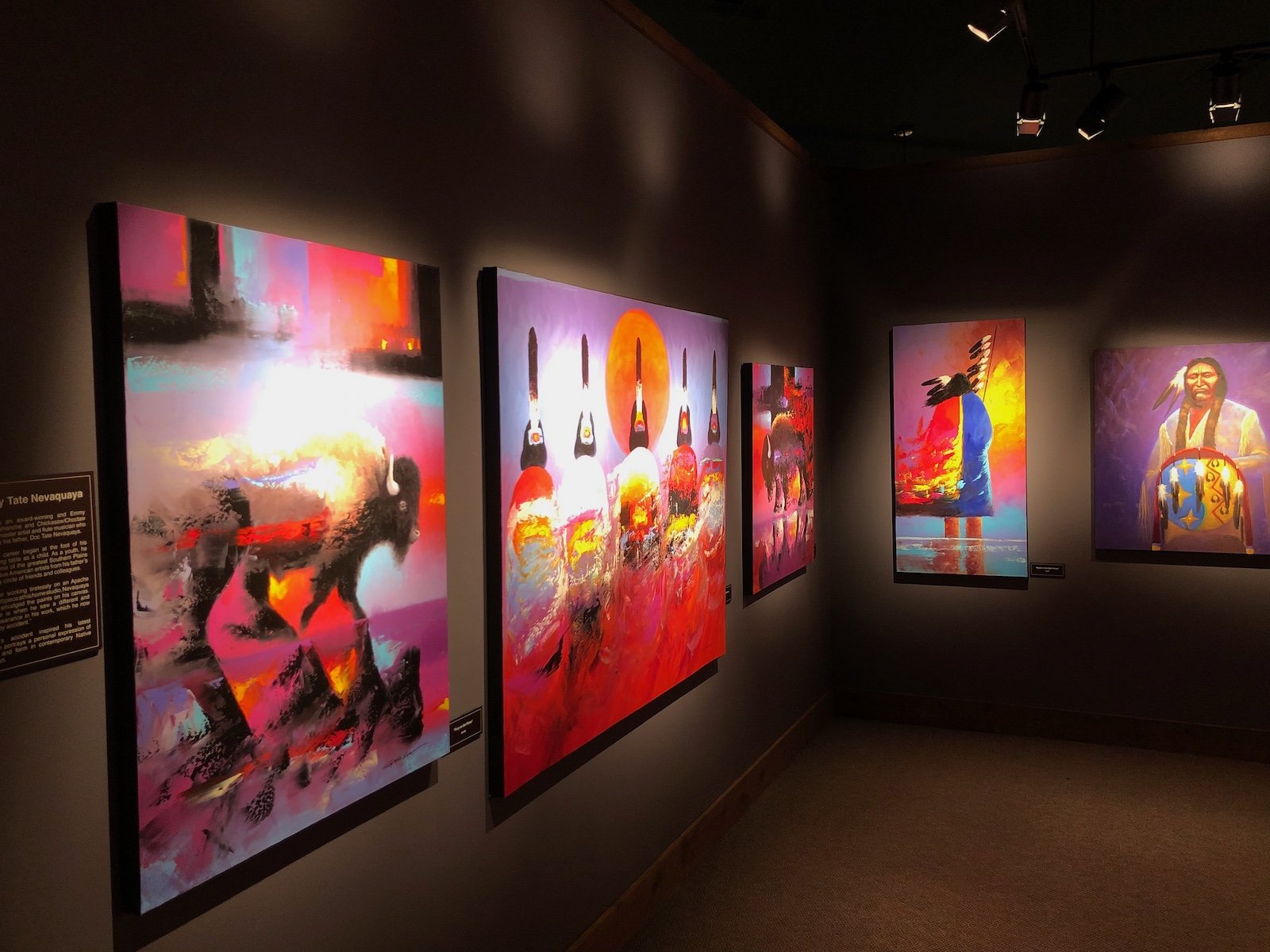
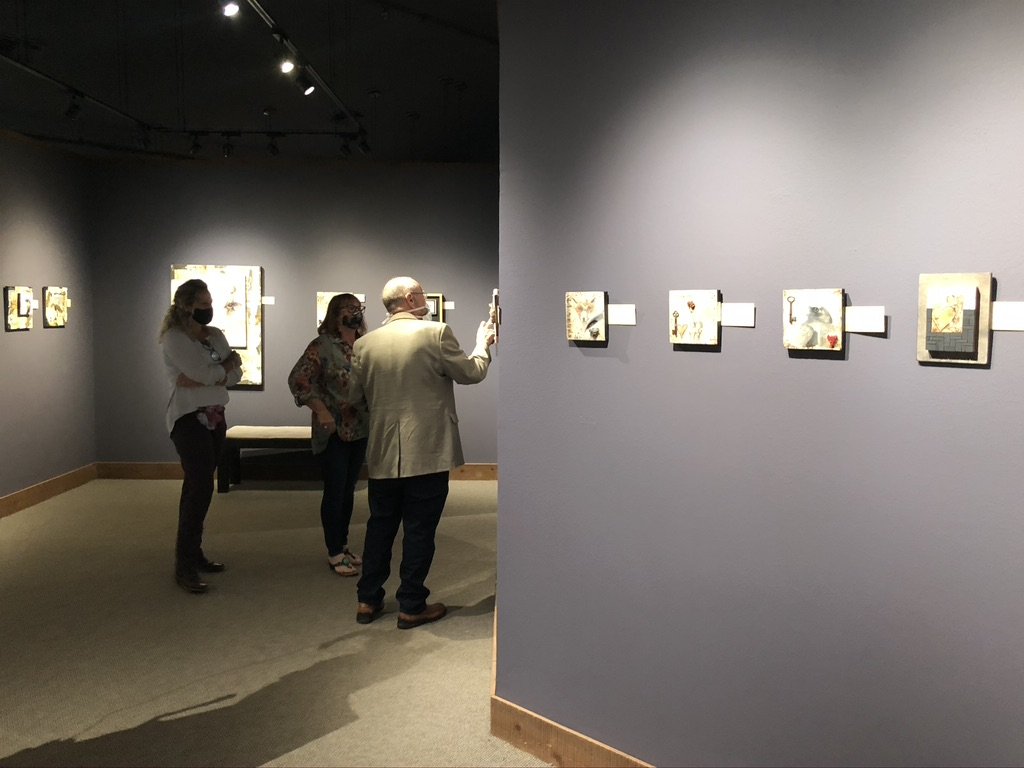
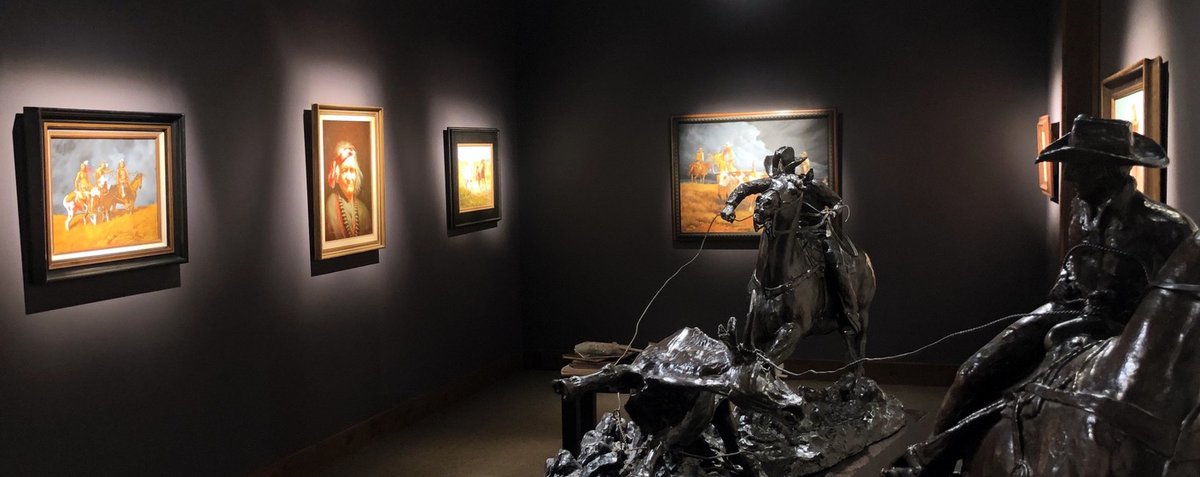
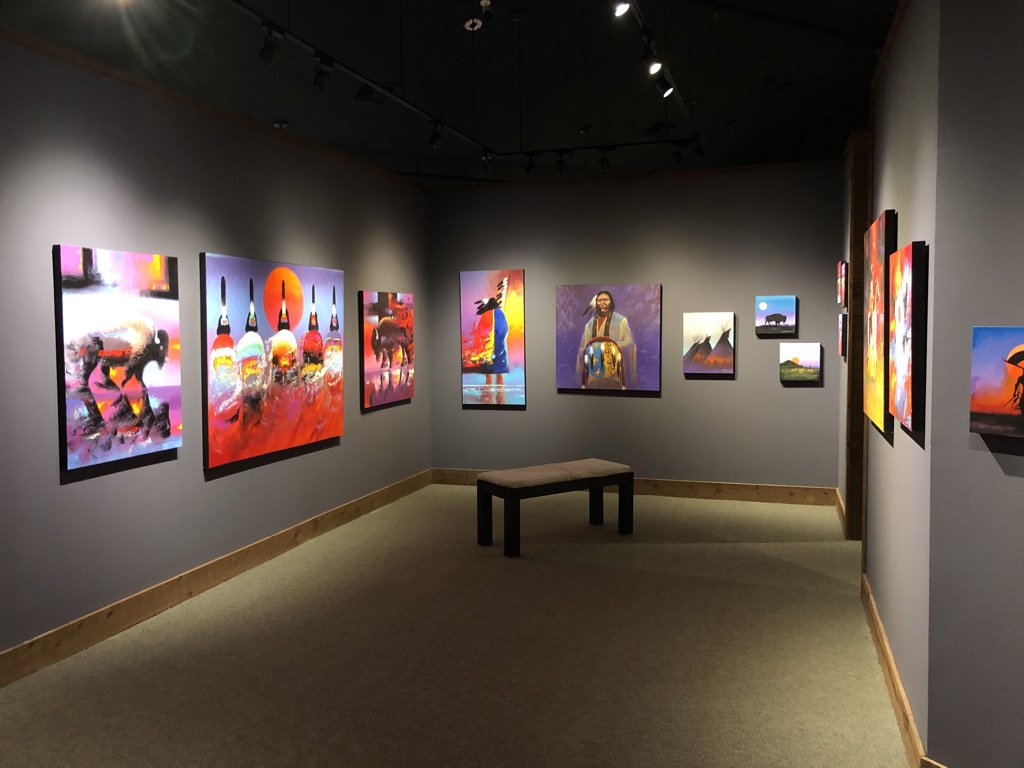
The gallery had good bones, but staff knew nothing about art and were afraid of being asked questions they couldn't answer, so they stopped directing guests to the gallery entirely. The fix started with language: not "Western Art" but "pictures of cowboys." A sentence that worked without expertise, and let staff invite guests in without embarrassment. Then theatrical lighting, designed so every photon bounced off a painting before reaching the viewer. Curation reorganized by subject rather than significance. The guest artist space moved into the newly lit gallery. Guest artist sales increased tenfold in the first year. When Timothy Tate Nevaquaya opened his exhibition, he walked into the transformed gallery with his family and audibly gasped.
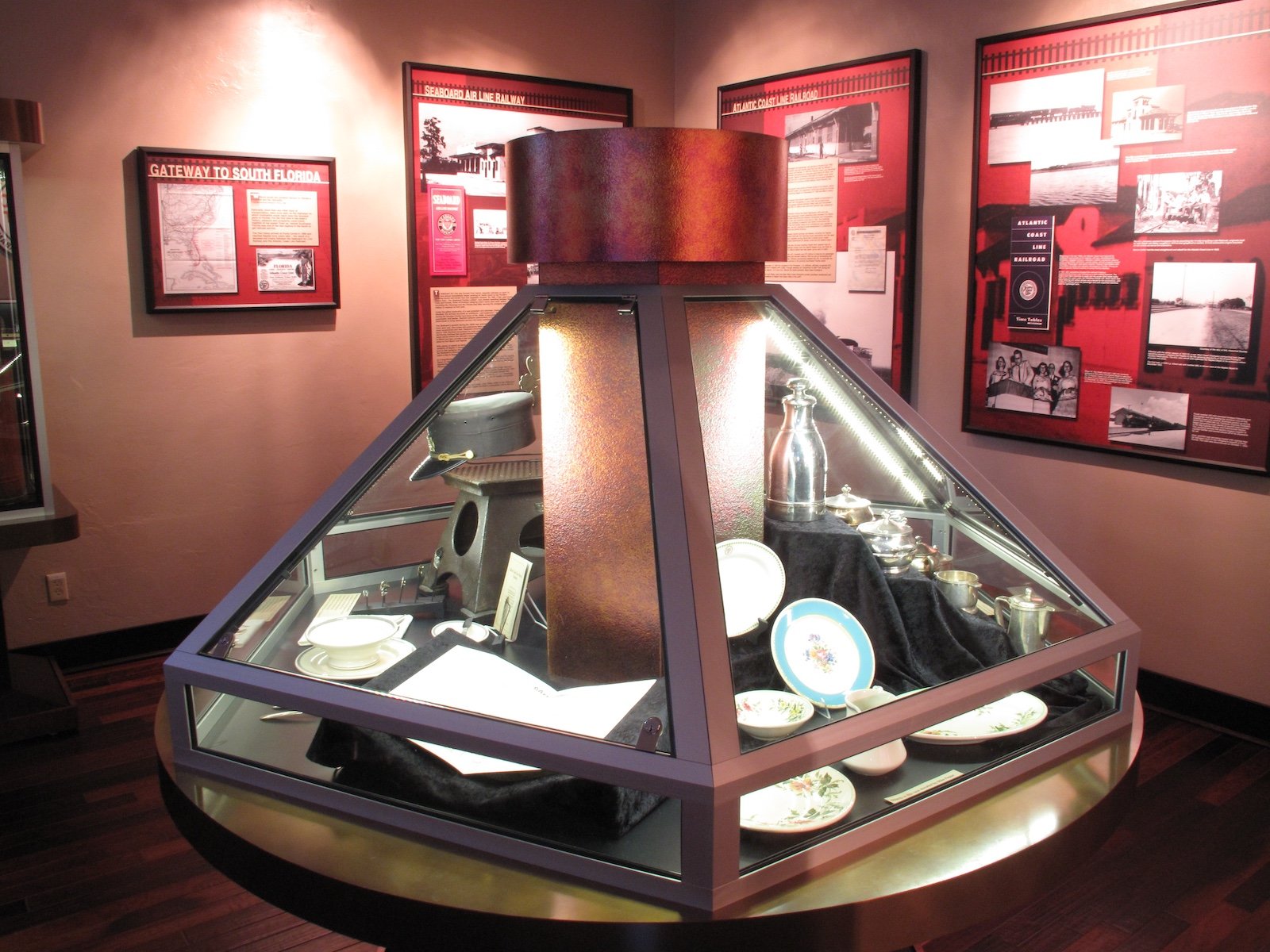
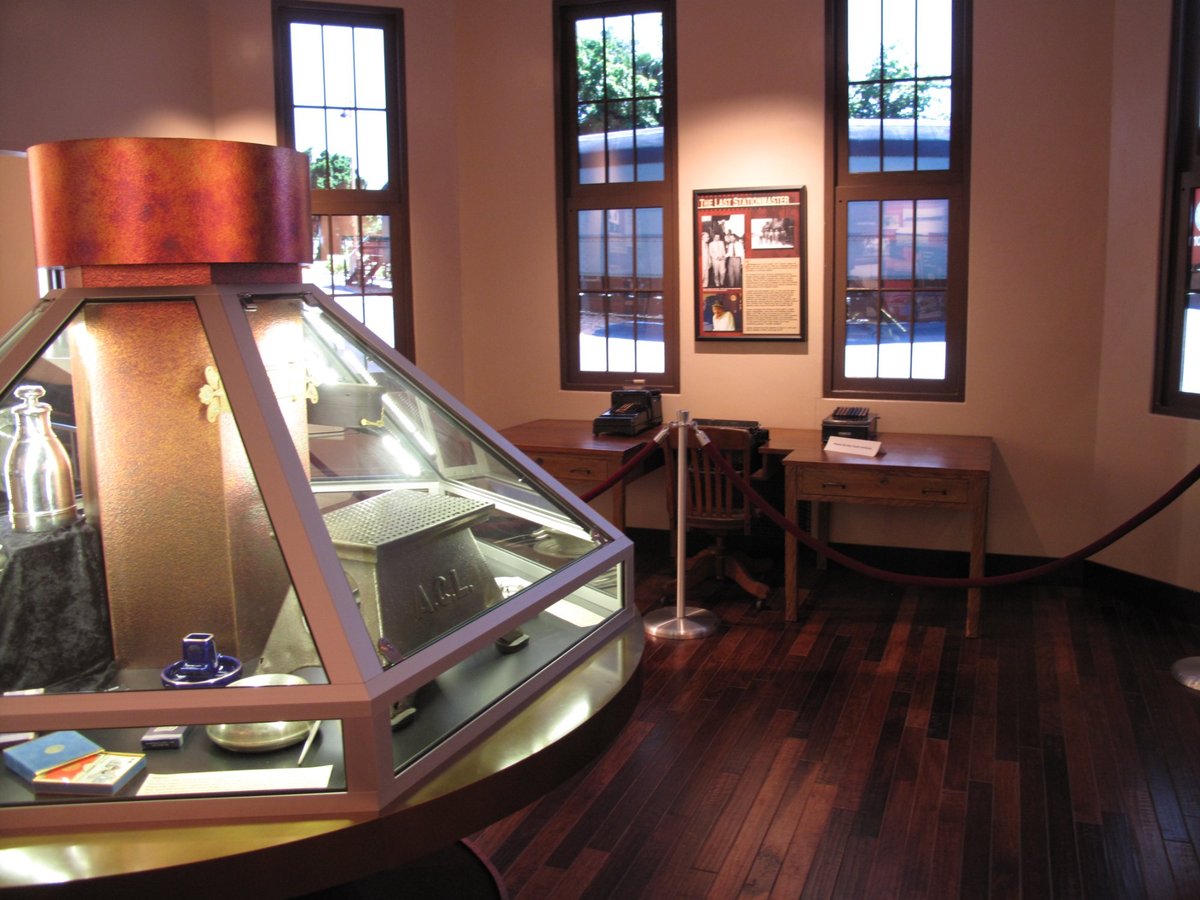
The Station Master's office had bay windows facing east and a collection of paper and fabric artifacts that UV light would destroy within a decade. The original digital solution cost more than the entire exhibit budget. An eighteen-month construction delay threatened the business but gave him something: technology that hadn't existed when the project was designed. He built a false wall inside the window wall, installed eight monitors in frames that looked like windows, and produced a photorealistic animation of the Orange Blossom Special pulling into the station, accurate to the wheel configuration of the locomotive and the tones of the whistle. The paper artifacts stayed in climate-controlled storage. The preservation requirements were met. The Station Master's office became the exhibit visitors remembered years later.
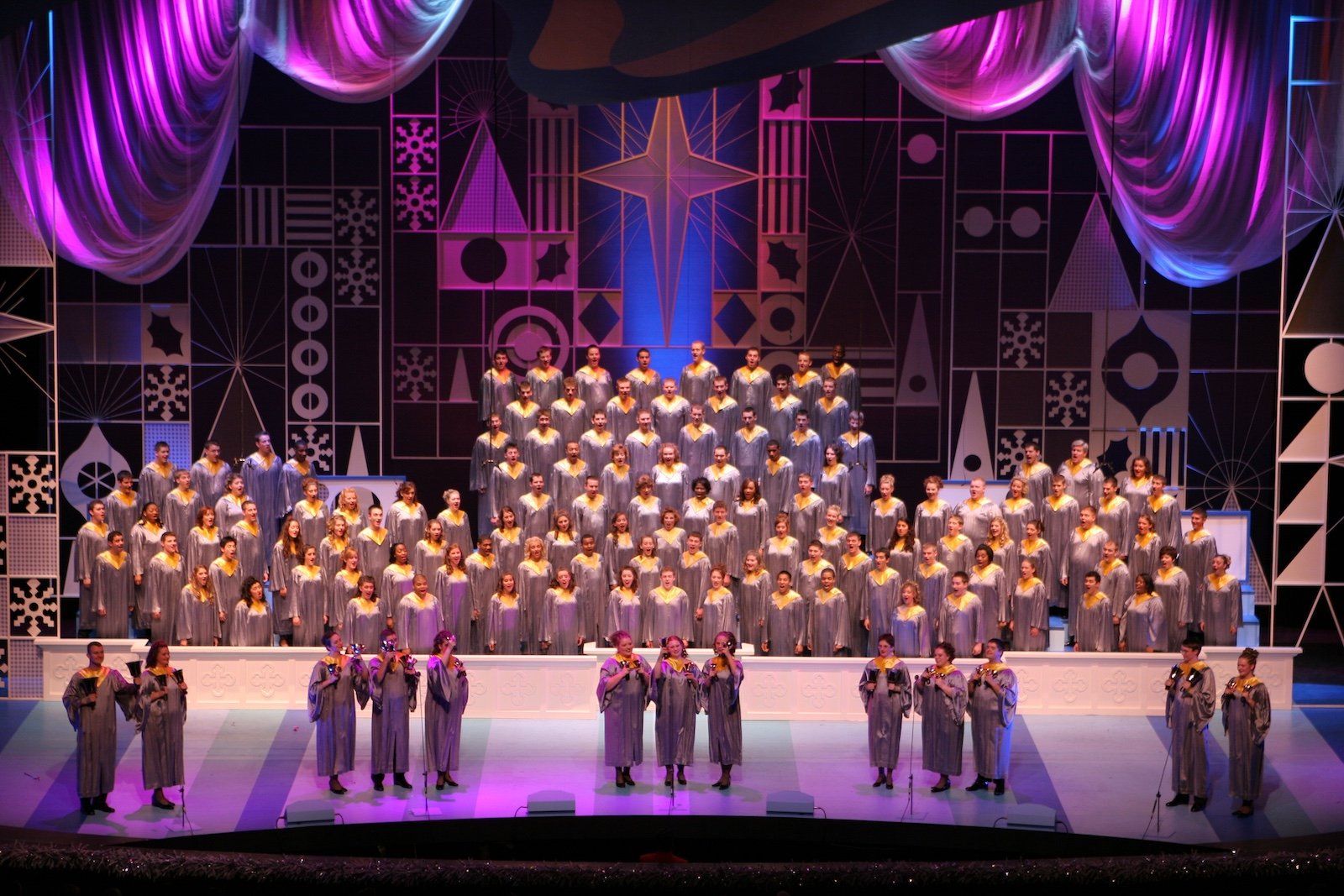
Elliott Hall seats six thousand people with a proscenium arch nearly a hundred feet wide, casts of up to 350, and millions of PBS viewers. On the first opening night, six thousand warm bodies transformed the physics of the room: exhaust vents pulled air upward through the stage, blowing the main curtain six feet upstage, colliding flying pieces, dropping a small set piece. He let the show run to intermission, then called a meeting with all crew, the fire marshal, campus safety, security, police, and the director. He let everyone speak, kept the room focused on what needed to change rather than who was responsible, reached consensus, and ran five more shows without incident. He designed and produced the show for nearly a decade.
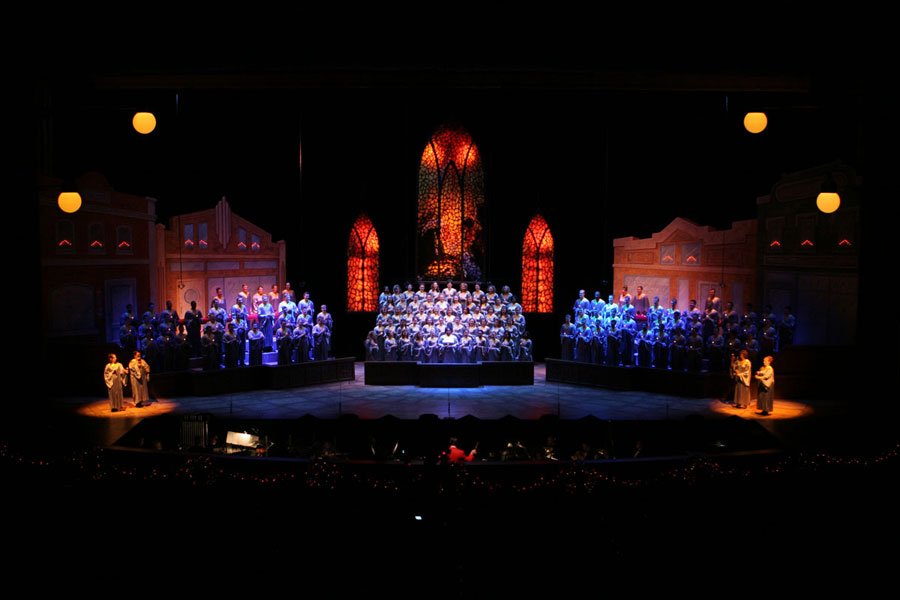
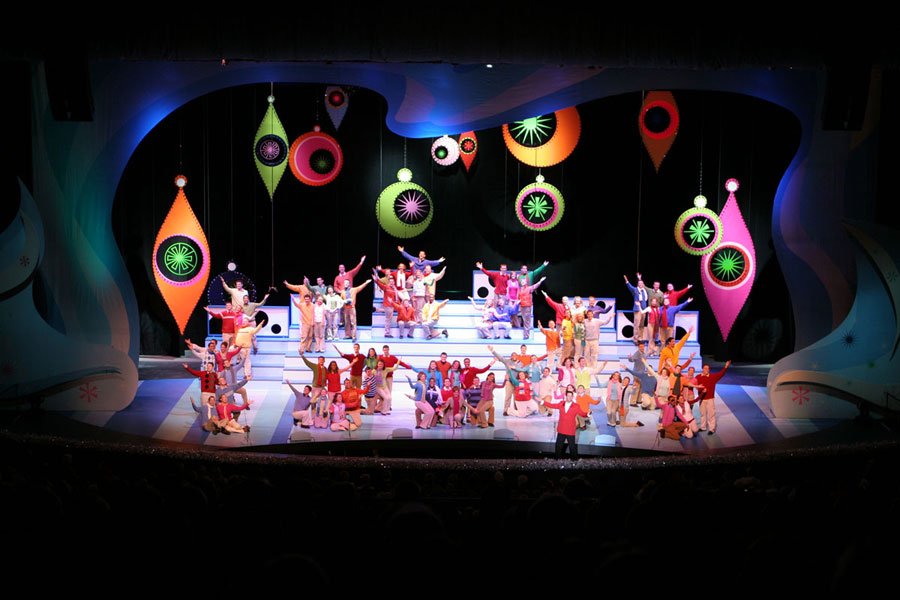
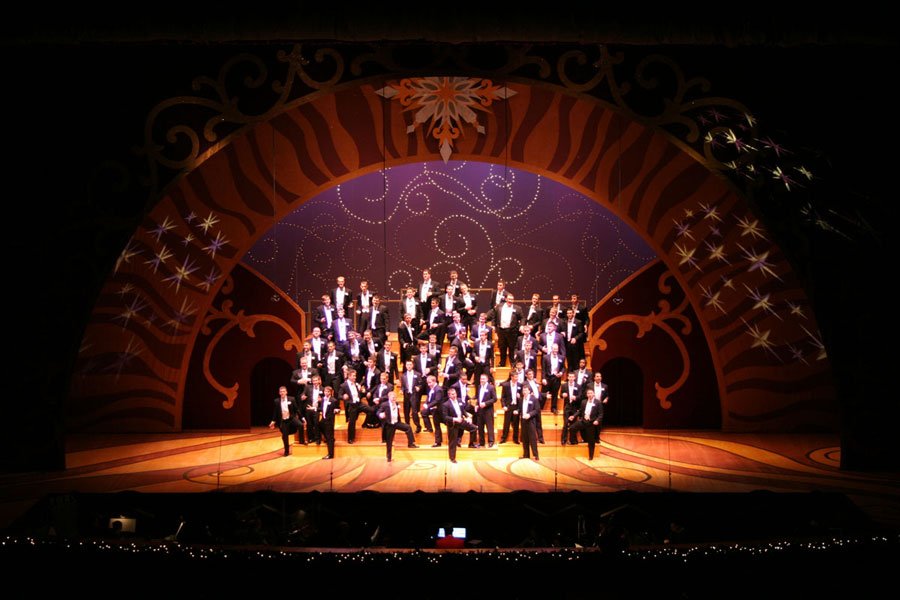
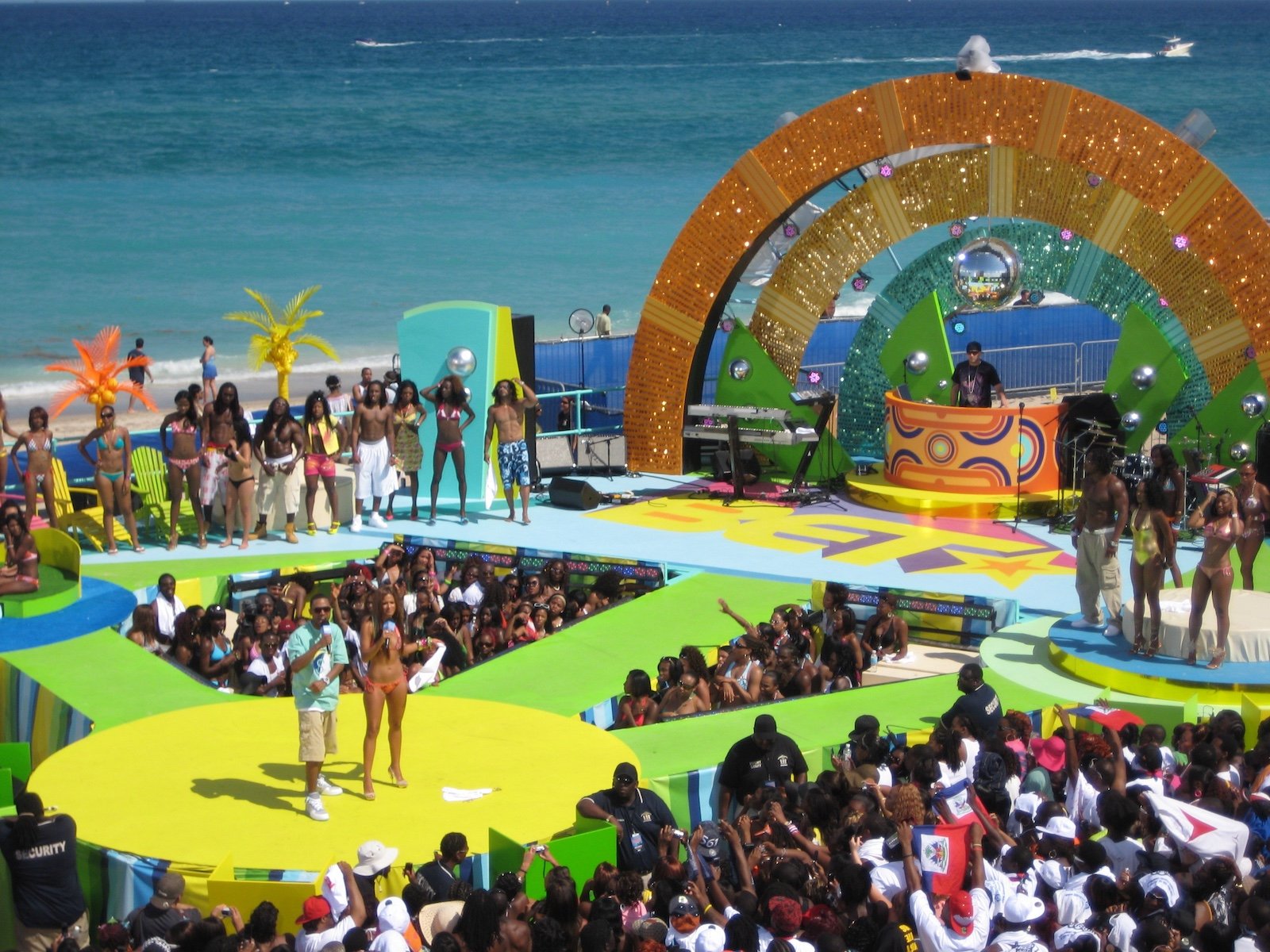
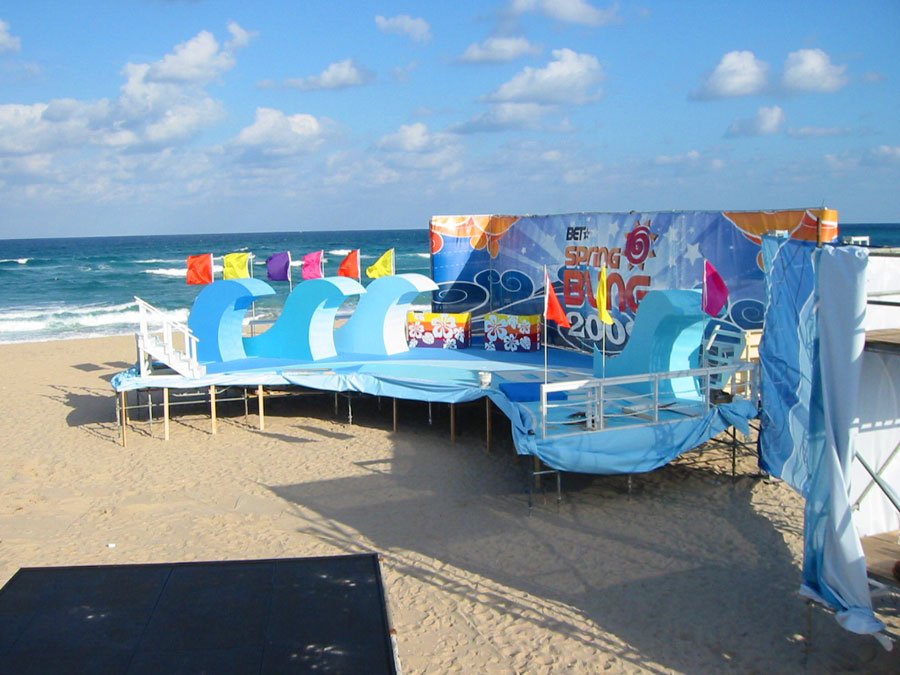
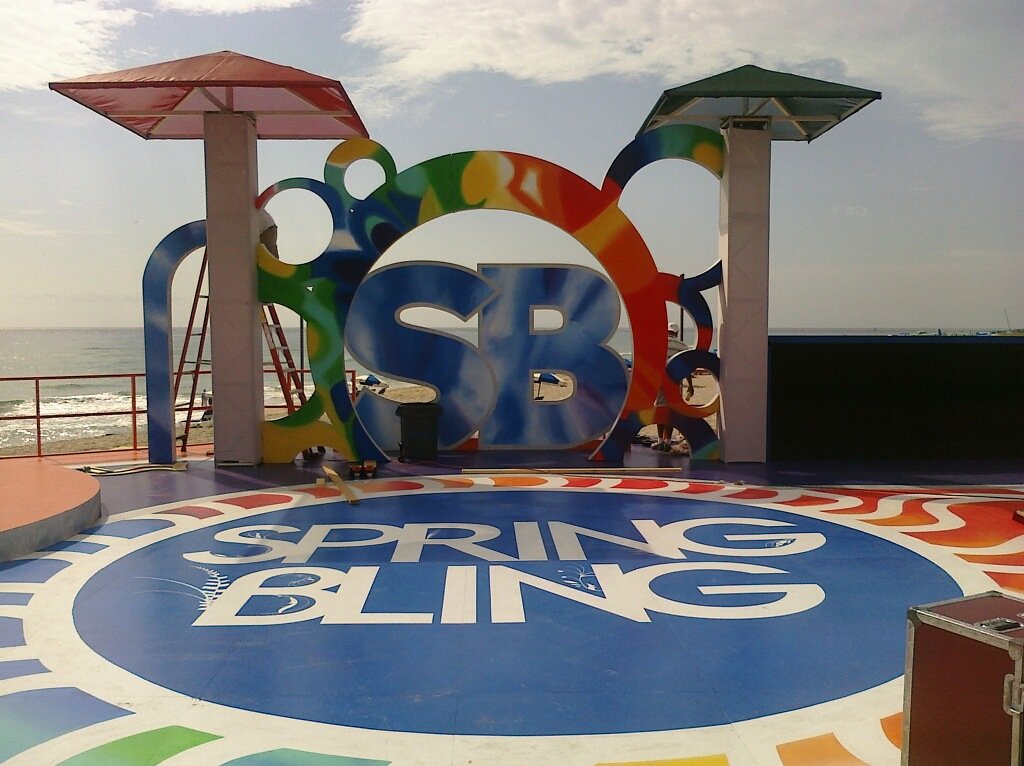
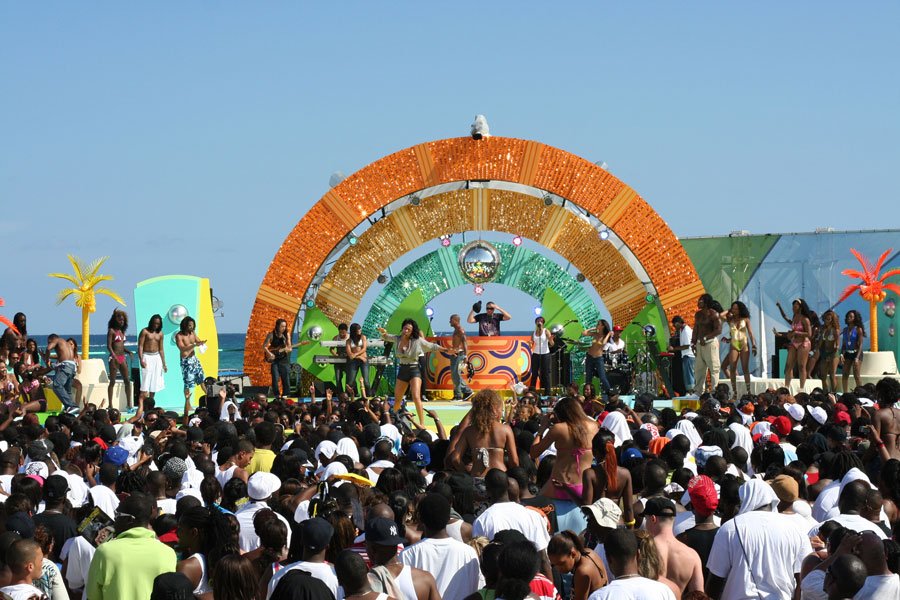
Four days of network television filming on the Atlantic coast during sea turtle nesting season, after BET fired its production company weeks before the shoot. The staging had to work for television, for live audiences, and for sea turtles that come ashore at night to nest and will turn back if they encounter an obstacle they can't navigate. He designed stages where cladding could be removed each night to open turtle pathways, spaced support legs more than nine and a half feet apart, and built protective platforms in advance for nests that might appear in high-traffic areas. After the first day of filming, nests appeared in the high-traffic areas he had built for. The platforms were already there.
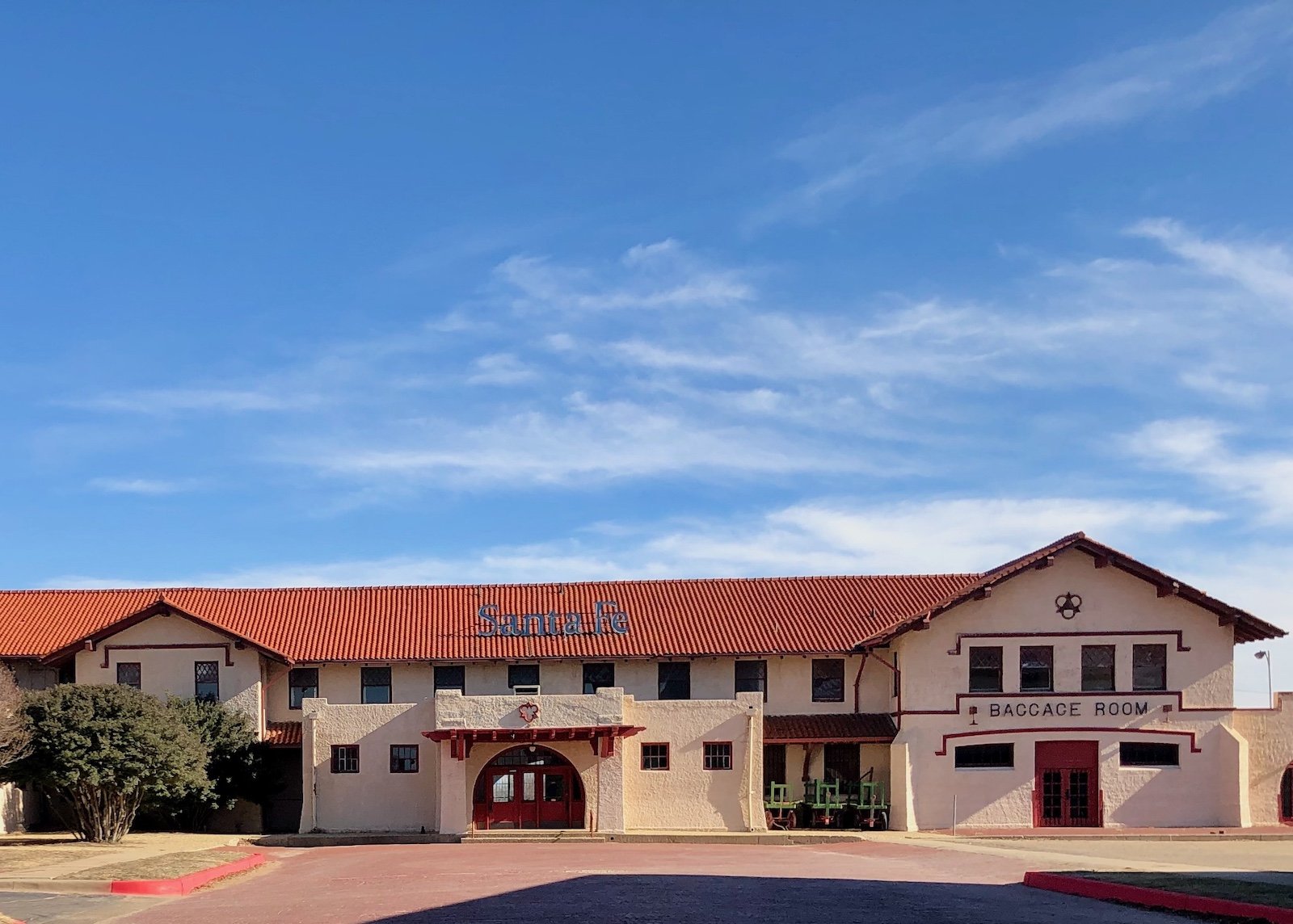
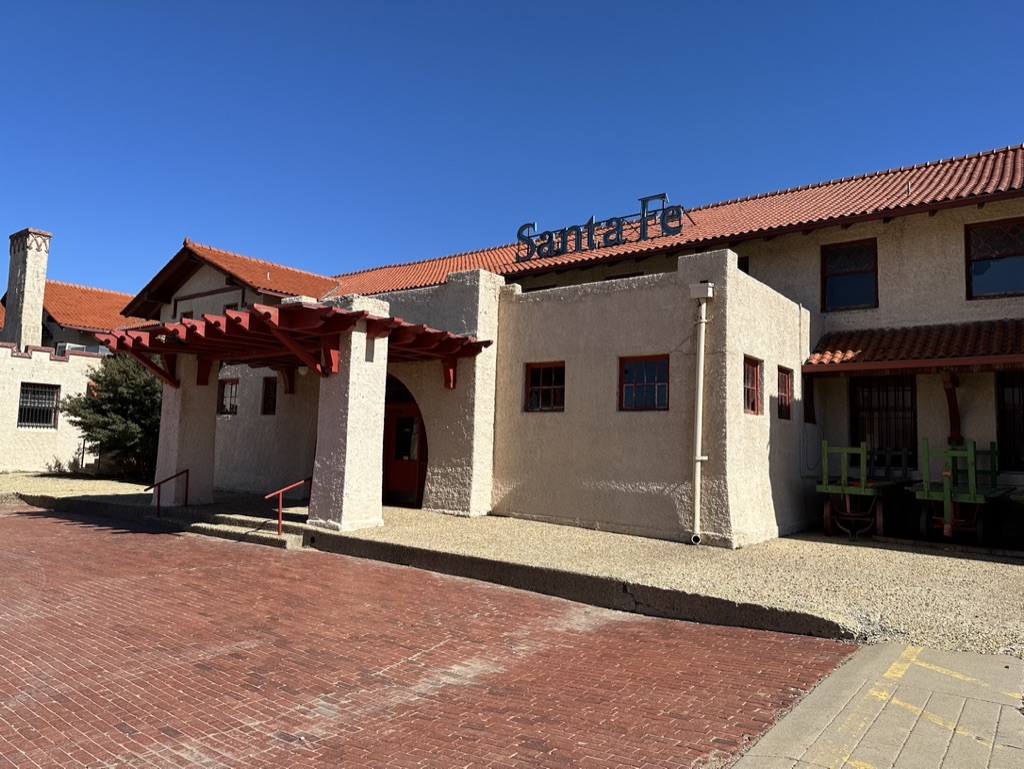
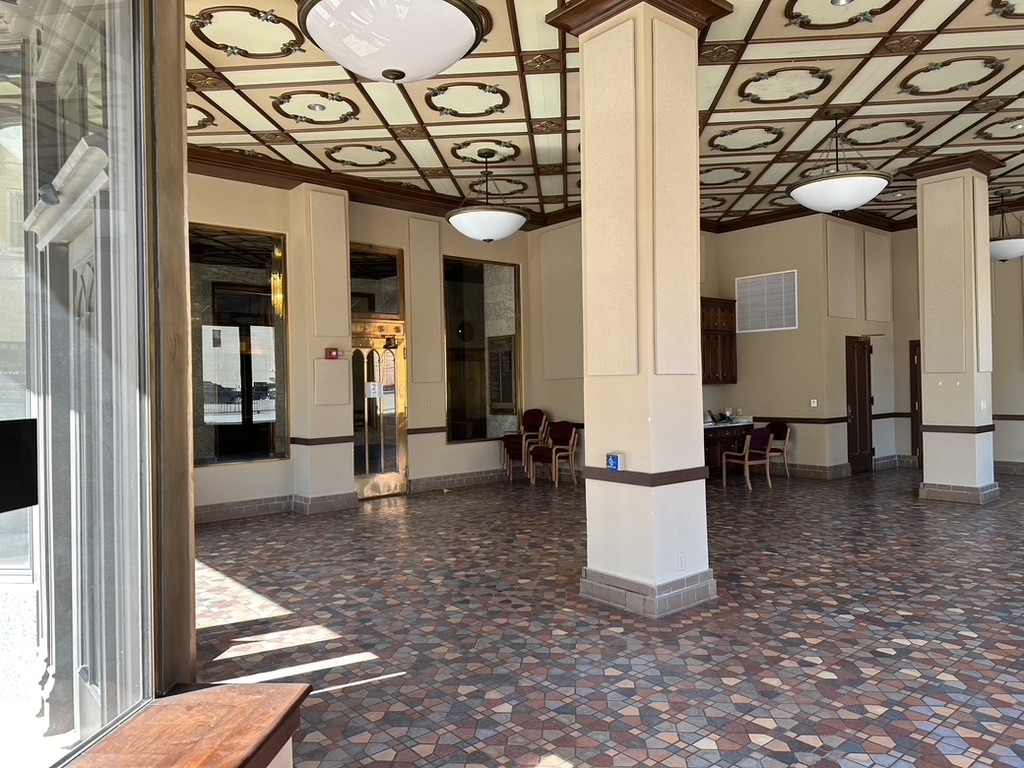
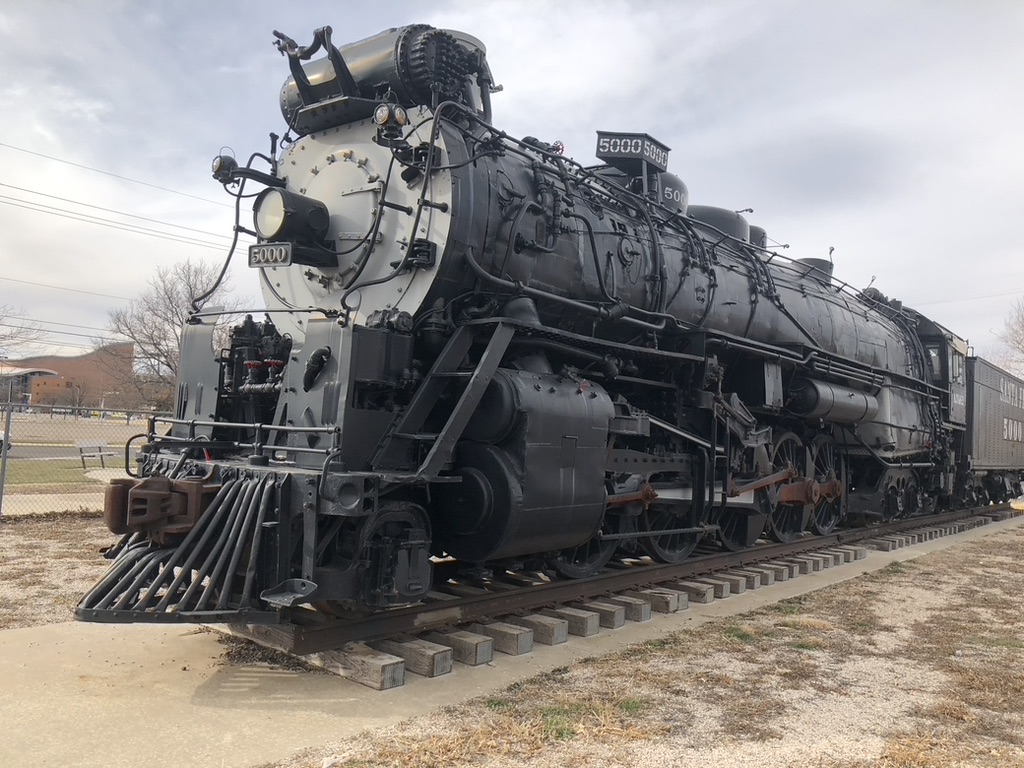
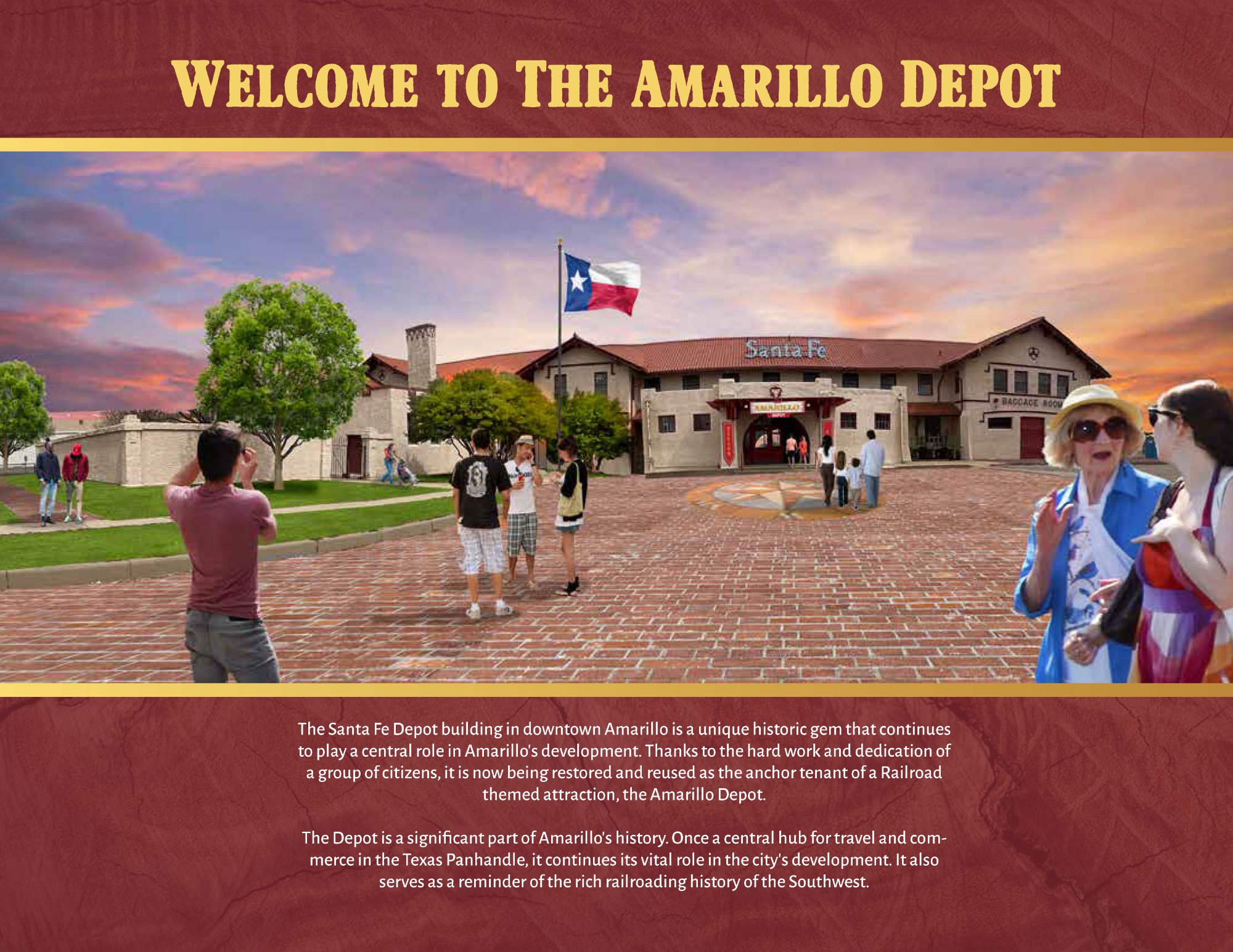
Amarillo is a city of over 200,000 people with no history museum. The Santa Fe Historical Railway Museum had been incorporated in 2003 and spent two decades without getting built. As executive director and a staff of one, he built the institutional infrastructure from zero: corporate filings, bylaws, accounting procedures, collections management, strategic planning, and a stakeholder network spanning railway corporations, state agencies, foundations, and government entities at every level. The destination concept centers on the historic Santa Fe Depot, with a railroad heritage museum as anchor surrounded by arts, hospitality, and community programming. When the Panhandle-Plains Historical Museum's ninety-three-year partnership with the Texas A&M System ended, leaving its collection of more than two million artifacts in question, he recognized what was at stake and proposed a partnership: the Amarillo Depot would steward the railroading collection and work to secure a home for the rest, with the museum joining the Depot development as a feature.
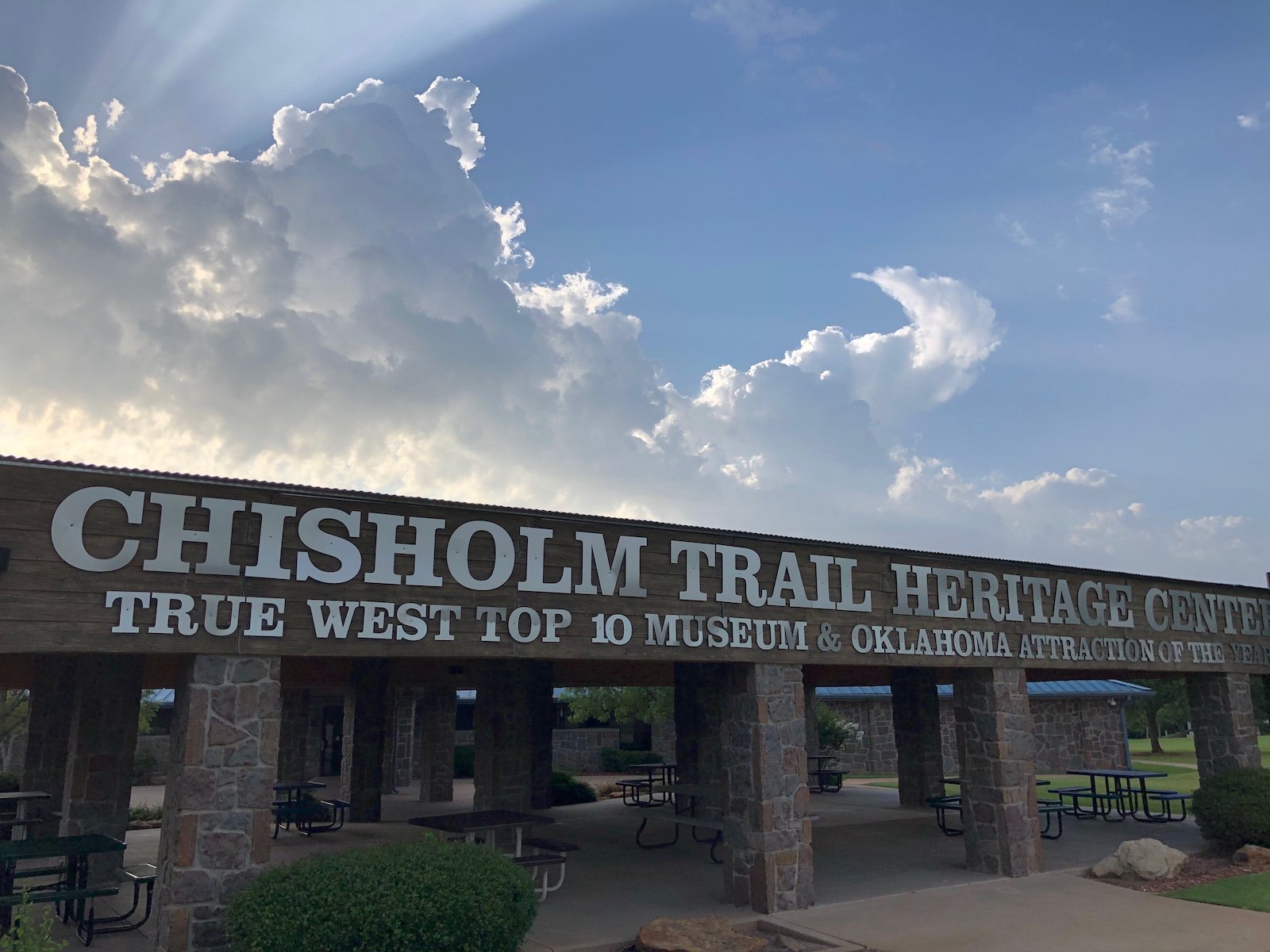
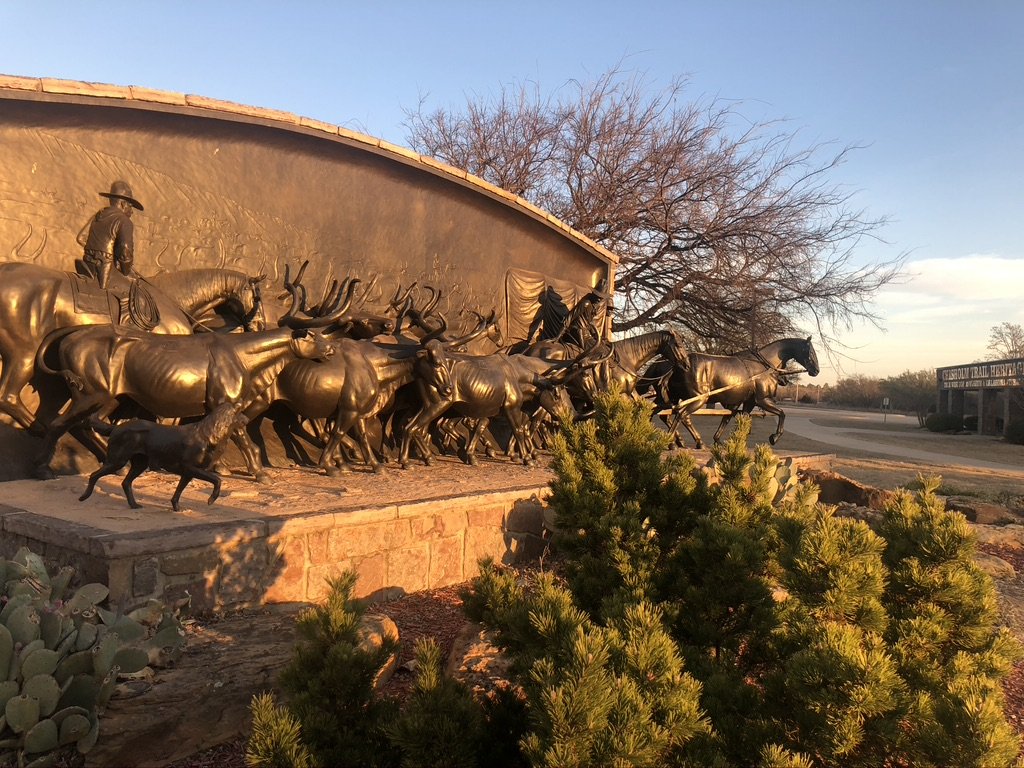
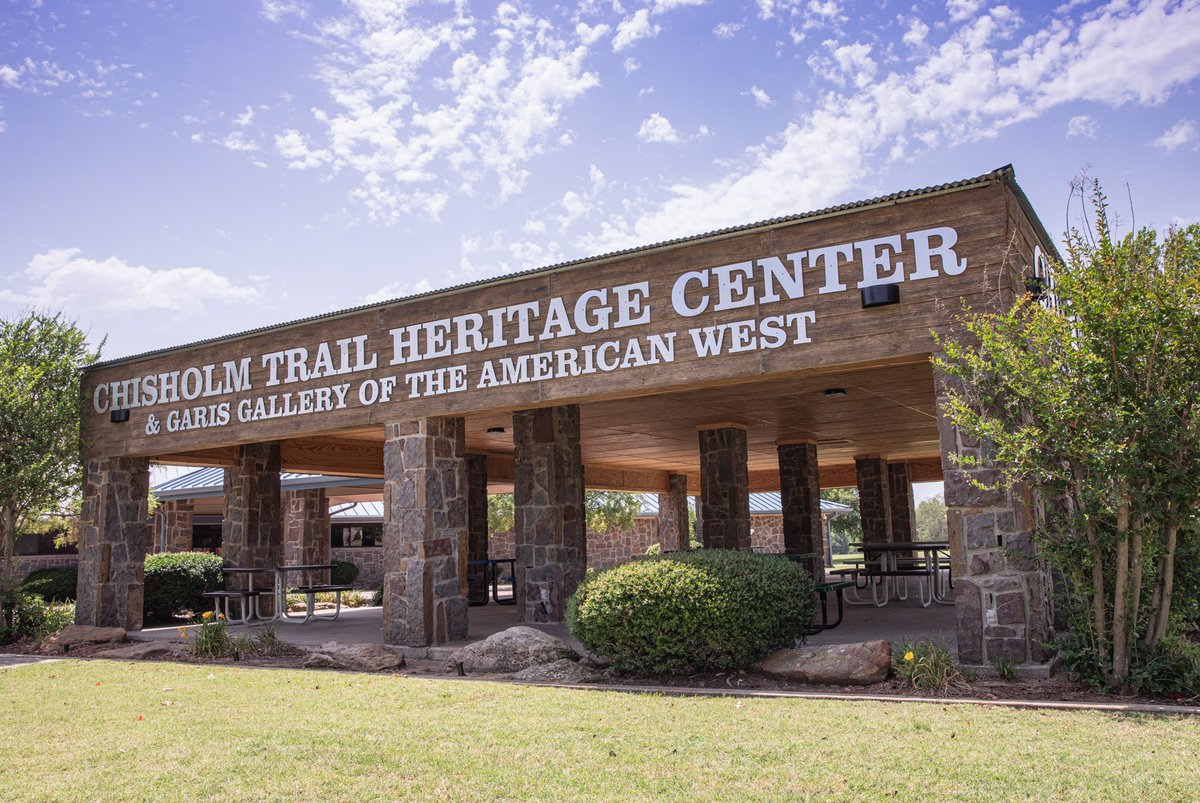
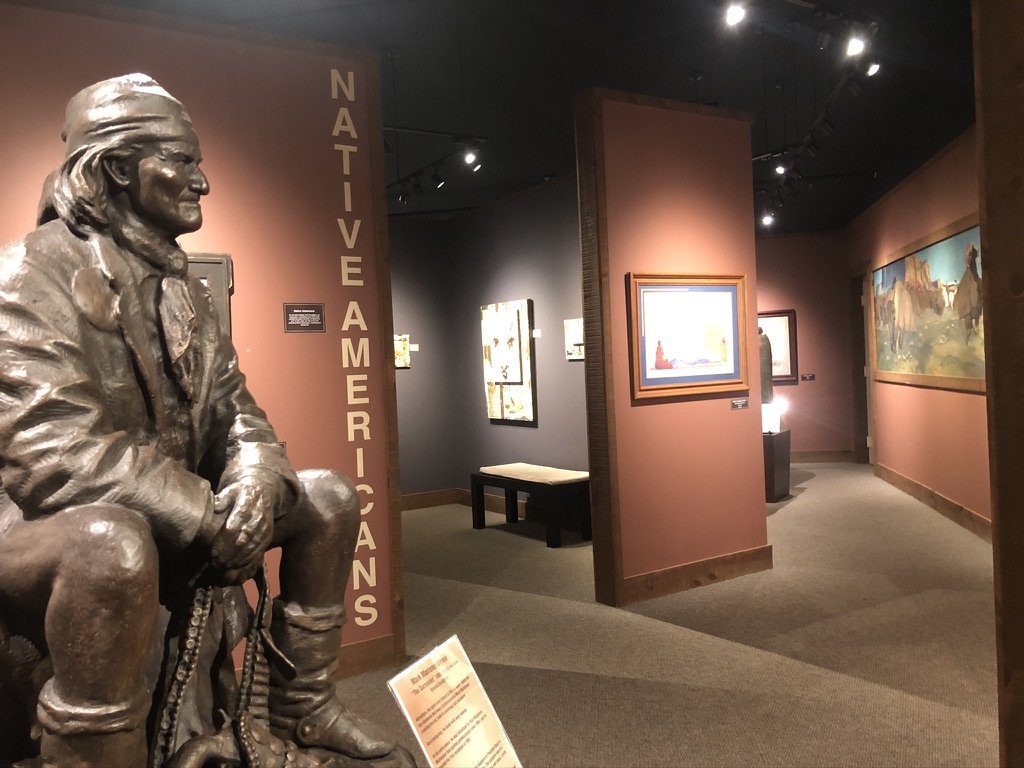
A rural heritage center in financial decline with a six-acre campus anchored by Paul Moore's monumental bronze cattle drive sculpture. In twenty-four months: endowment grew 71% from $3.5 million to over $6 million, attendance doubled to 15,000, and the institution's first partnerships with the Chickasaw, Apache, Comanche, and Kiowa nations were established. The historical record showed that between fifty and seventy-five percent of the men who worked the cattle drives were people of color; one Native person was depicted in the entire museum. The tribal partnerships and the Garis Gallery programming were a response: demonstrating through results that opening the center to a larger and more diverse audience produced measurable growth.